



Before we begin with this particular post, it is paramount for you to know my background (You can skip it if you want to!)
Who am I to write this post?
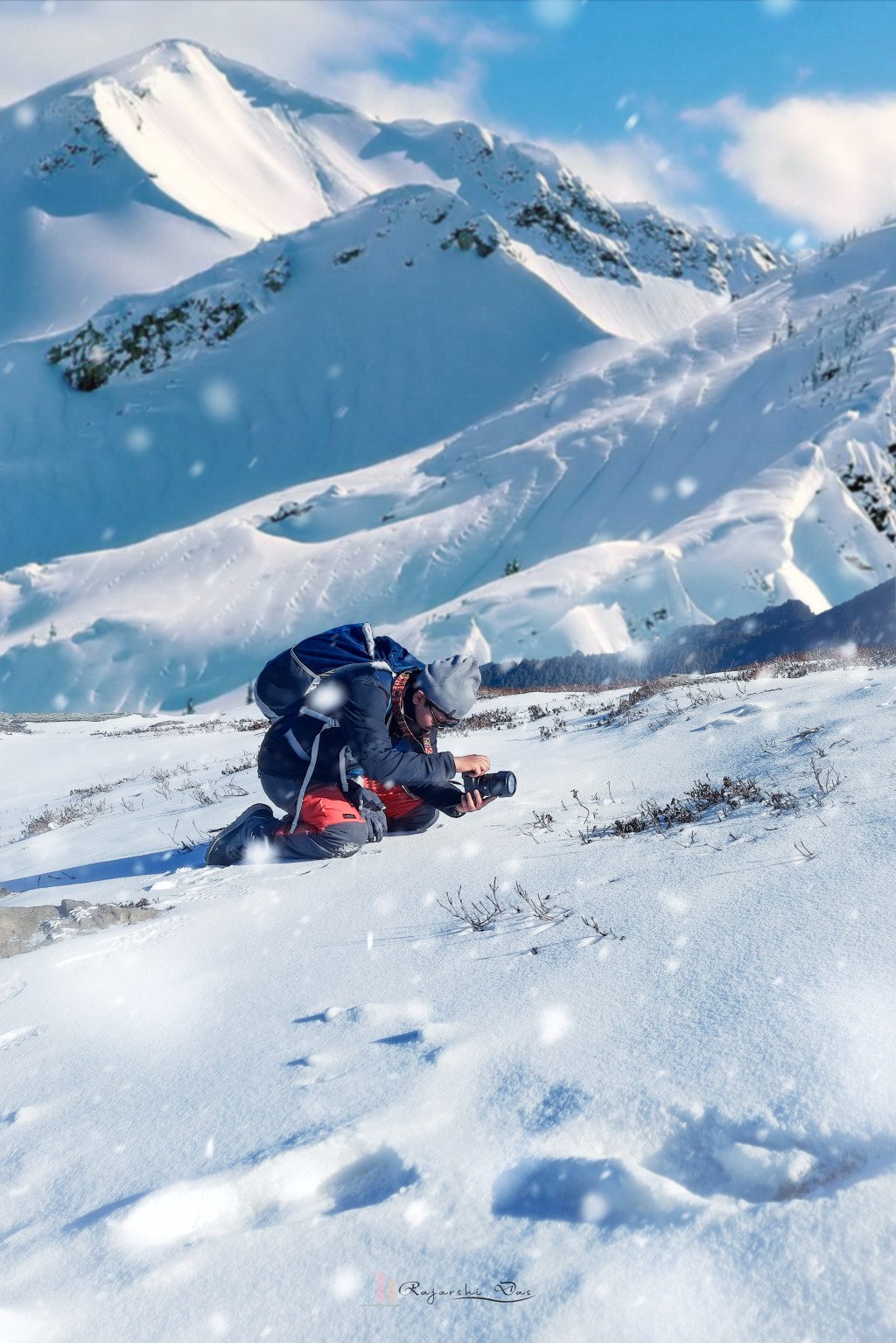
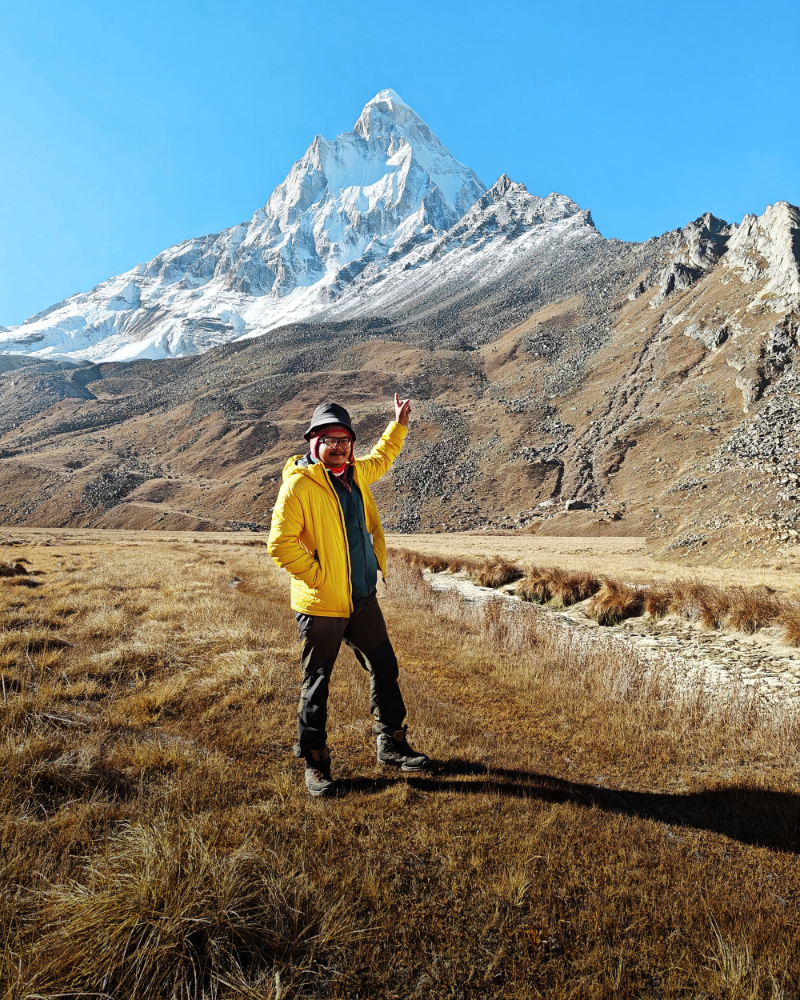
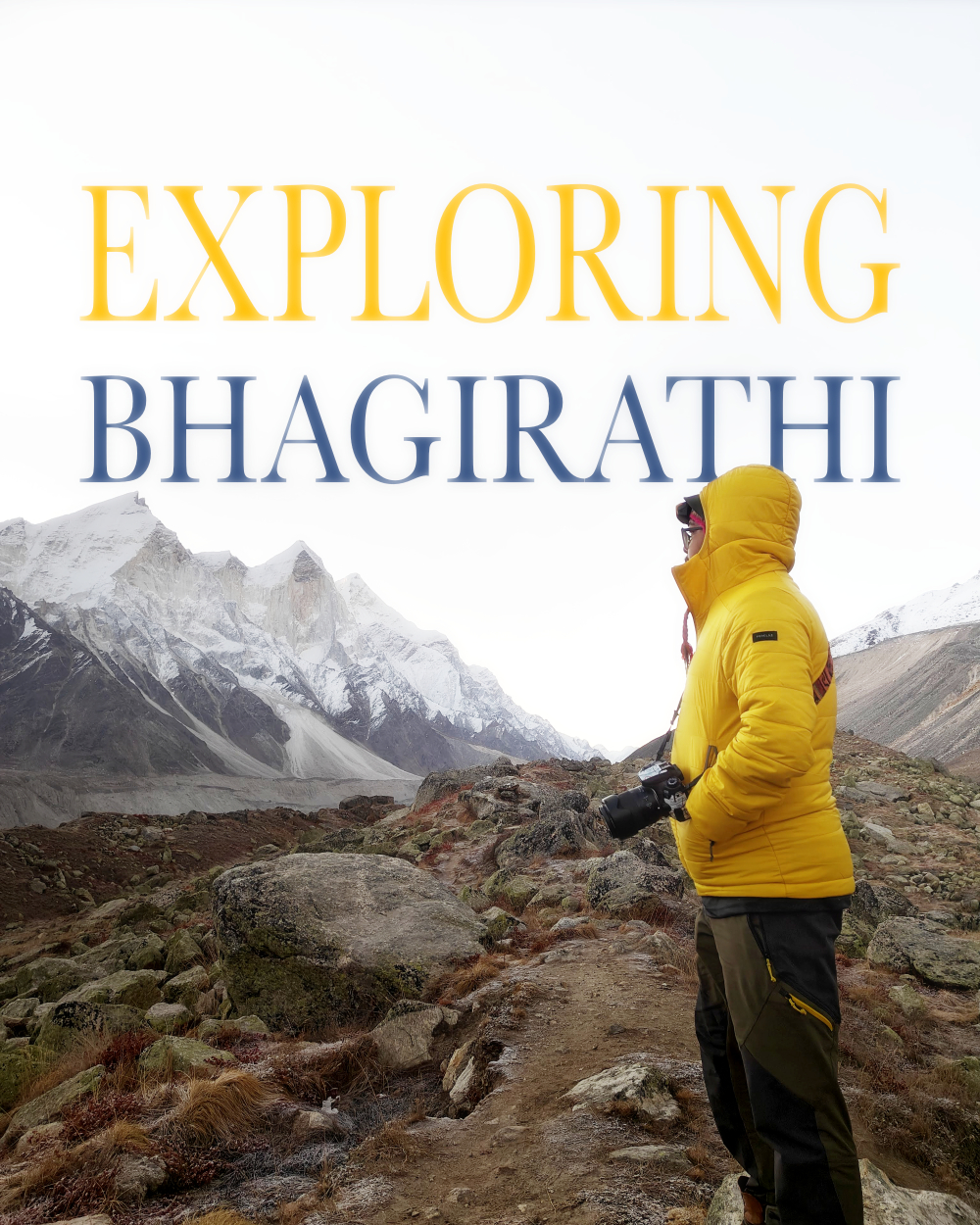
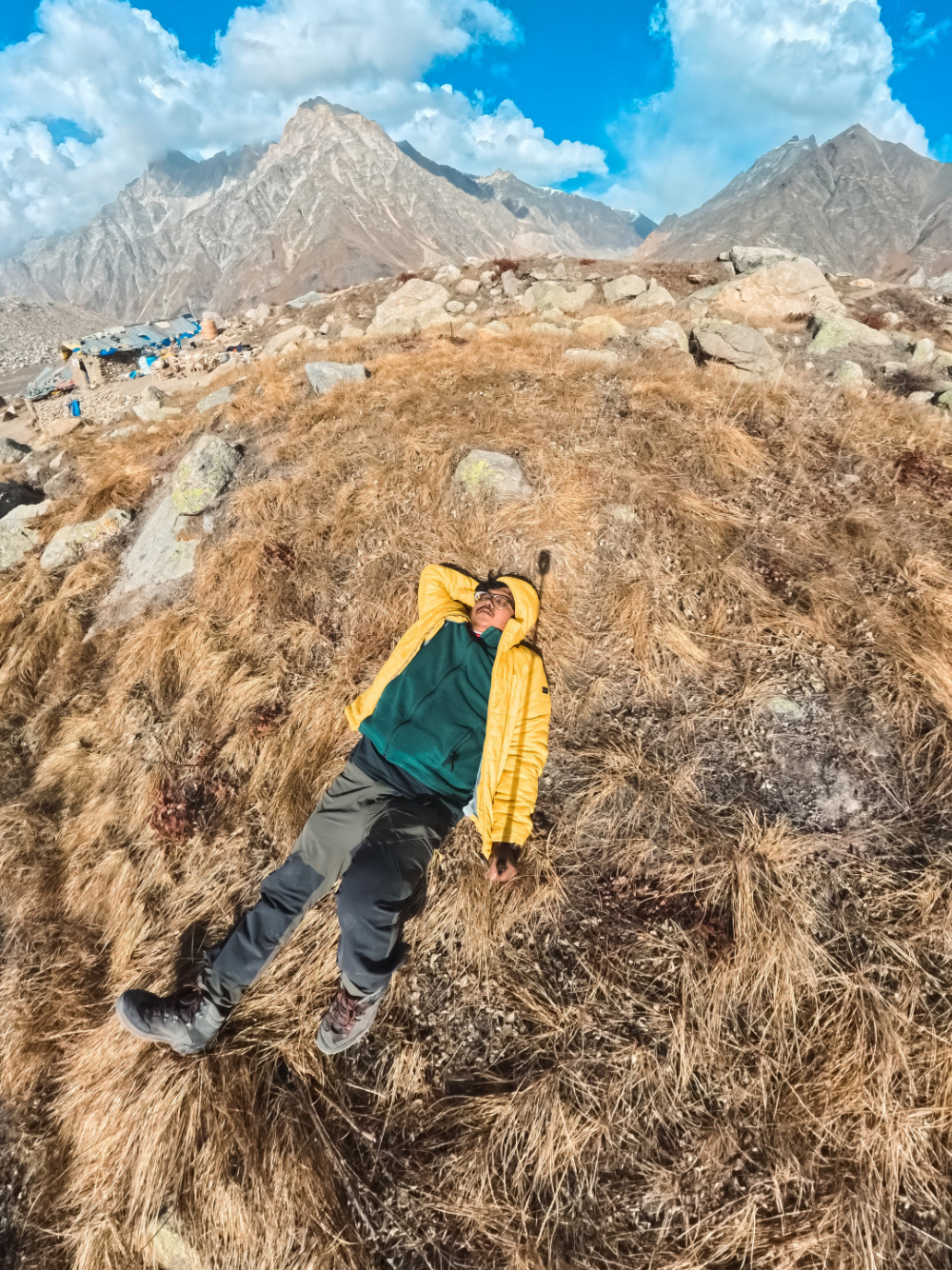
I’m Rajarshi — a travel storyteller, photographer, and lifelong adventurer. After over a decade behind the lens as a professional photographer (including a stint with National Geographic), I’ve transitioned into writing, where I blend visual storytelling with immersive, terrain-informed narratives. From documenting over 30 treks across the Himalayas and Western Ghats to working with local communities and rescuing snakes in Bengal, my journey has been anything but ordinary. You’ll find me wherever the wild calls — camera in one hand, notebook in the other.
That’s enough narcissism for now. Let’s dive in deeper.
Trekking in the Himalayas is a dream for many—but without the right preparation, it can turn into an exhausting and even risky experience. Whether you’re heading for your first high-altitude adventure or returning for another mountain escape, Himalayan trek preparation is about more than just packing a bag. You’ll need physical training, the right gear, and knowledge about altitude to truly enjoy the trail.
This guide will walk you through all aspects of trekking training in India, gear essentials, and smart high-altitude trek planning for a safe and rewarding journey.
1. Build Your Trekking Fitness
Trekking in the Himalayas isn’t like a walk in the park. You’ll be walking 5–20 km daily on uneven terrain, often with a backpack. And trust me, it requires as much tangible fitness as strong mental force.
Focus your fitness on:
a. Cardio Training
- Start 6–8 weeks before your trek
- Activities: Brisk walking, jogging, cycling, stair climbing
- Goal: 45–60 minutes of moderate-to-intense cardio, 4–5 days a week
b. Strength & Core
- Exercises: Squats, lunges, planks, step-ups
- Benefits: Improved balance and reduced fatigue on inclines/descents
c. Hiking Practice
- Go on weekend hikes near your city
- Practice with a loaded backpack to mimic real conditions
Trekking training in India can start small—with city parks, local hills, or gym routines—but consistency is key.
2. Understand High-Altitude Challenges
High-altitude trek planning must include awareness of how your body reacts to reduced oxygen levels. AMS (Acute Mountain Sickness) is real and can derail your trek.
Key Tips:
- Ascend gradually: Never climb more than 300–500m per day once above 2,500m
- Stay hydrated: Drink at least 3–4 liters of water daily
- Don’t skip acclimatization days in your itinerary
- Avoid alcohol and smoking before/during the trek
If symptoms like headache, nausea, or dizziness appear—rest, descend, and don’t push yourself. And before everything, inform your guide/trek leader.
3. Essential Gear Checklist
Gear matters more than you think—especially at altitude, where weather can change rapidly. Here’s a list of must-haves for Himalayan treks:
- Trekking Shoes: Sturdy, ankle-support shoes with good grip
- Backpack: 40–50L with rain cover and chest strap
- Clothing: Layer up – thermal base layer, fleece, down jacket, waterproof outer shell
- Accessories: Woollen cap, gloves, sunglasses (UV protected), neck gaiter
- Trekking Poles: Help with balance and reduce knee strain
- Other Essentials: Sunscreen, lip balm, headlamp, water bottles, ORS packets, personal medication
Invest in reliable mountain hiking gear — even budget options from brands like Decathlon or Wildcraft can be effective when chosen wisely.
I am uploading a real checklist that I often use for most Himalayan treks.

4. Plan Your Itinerary Wisely
Pick a beginner-friendly trek for your first Himalayan adventure. Here are a few you might consider:
- Kedarkantha (Uttarakhand) – Great for snow trekking, accessible year-round
- Triund (Himachal Pradesh) – A short weekend hike with panoramic views
- Dayara Bugyal (Uttarakhand) – Meadows, moderate trails, great acclimatization
- Hampta Pass (Himachal Pradesh) – Stunning landscapes, best in July–September
- Deoriatal-Chandrashila (Uttarakhand) – Stunning mix of landscapes. Also my first Himalayan trekking trail!
Stick with reputed trekking organizations or certified guides to ensure safety. I have personally travelled with the following and I can vouch for them:
5. Mental Preparation & Mindset
This is perhaps the most important of all, because when something goes wrong on the trail (which often does), your mind and body will be your only companions. Mountain trekking challenges both body and mind. You’ll likely experience exhaustion, cold, and discomfort. Here’s how to mentally prep:
- Learn to enjoy discomfort—it’s major part of the journey
- Stay motivated by focusing on daily progress, not the destination
- Build patience—weather, altitude, and team dynamics may slow you down
Final Thoughts
Your Himalayan trek preparation doesn’t have to be overwhelming. With gradual trekking training in India, mindful high-altitude trek planning, and the right mountain hiking tips, you’ll be ready to take on the trails with confidence. Remember, in the mountains, it’s not a race—it’s about the rhythm, the breath, and the breathtaking views.
Need help picking your first trek or gear? Drop your questions in the comments or follow my blog for more trekking insights across India.
Keywords: Himalayan trek preparation, trekking training India, high-altitude trek planning, mountain hiking tips.

Leave a comment