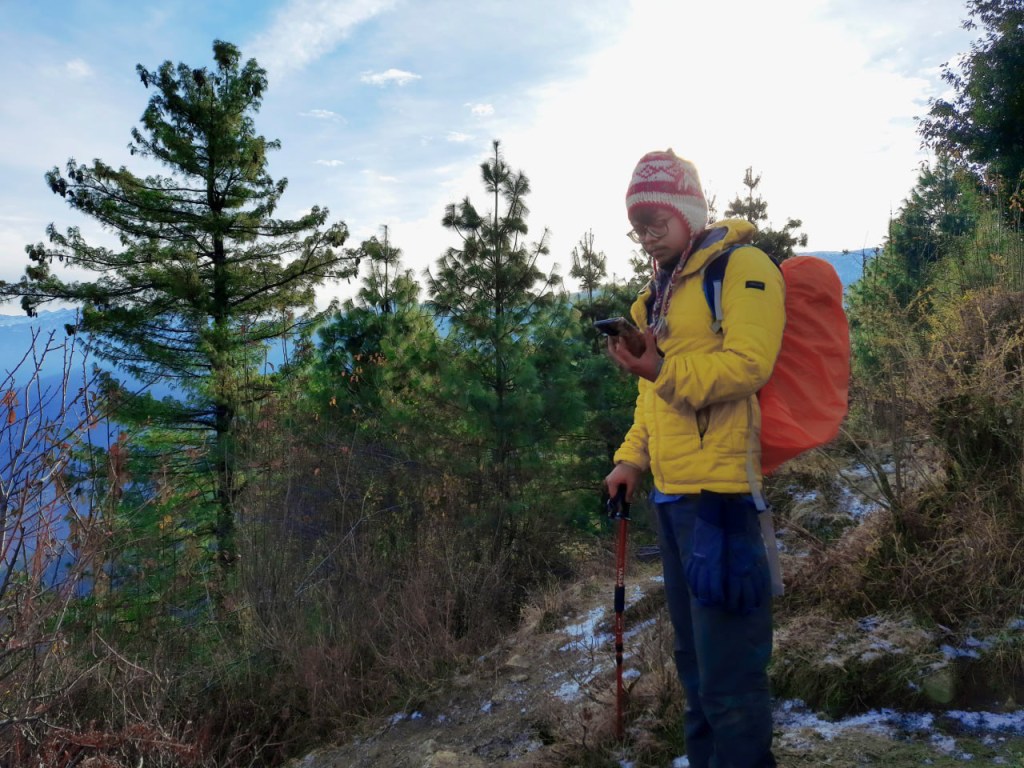

Planning your first trek? That’s exciting — and a little overwhelming.
The idea of being out in the wild, walking along a mountain trail, and waking up to snow-capped peaks is incredibly romantic. But trekking isn’t just a walk in nature — it’s an endurance challenge, a test of your planning, and a dance with unpredictable elements.
Most beginners make the same avoidable mistakes — mistakes that can turn an unforgettable adventure into an uncomfortable ordeal. Here’s how to prepare better, trek safer, and enjoy more:
❌ 1. Underestimating the Difficulty of the Trek
The Mistake:
Many beginners choose a trek based on photos or Instagram reels — not the actual altitude, terrain, or difficulty level. A beautiful meadow or snowy summit may seem easy online but could involve 6–8 hours of walking per day, rocky trails, or steep climbs.
The Fix:
- Research the trek’s grade: Is it labeled easy, moderate, or difficult?
- Check the altitude profile and daily distance.
- Start with easier treks like Triund (HP), Kedarkantha (UK), or Har Ki Dun (UK) before attempting high-altitude ones like Hampta Pass or Buran Ghati.
❌ 2. Overpacking or Carrying the Wrong Gear
The Mistake:
Carrying your entire wardrobe, unnecessary electronics, or a bulky sleeping bag you bought online without checking the specs. This makes your backpack unnecessarily heavy and miserable to carry.
The Fix:
- Stick to the 10-12 kg rule for backpack weight (ideally less).
- Pack lightweight, moisture-wicking clothes, one down jacket, and layer appropriately.
- Invest in good trekking shoes, not sneakers.
- Avoid cotton; go for quick-dry synthetic or merino wool.
- Essentials: rain cover, first aid kit, water bottle, sunscreen, and headlamp.
❌ 3. Not Training or Preparing Physically
The Mistake:
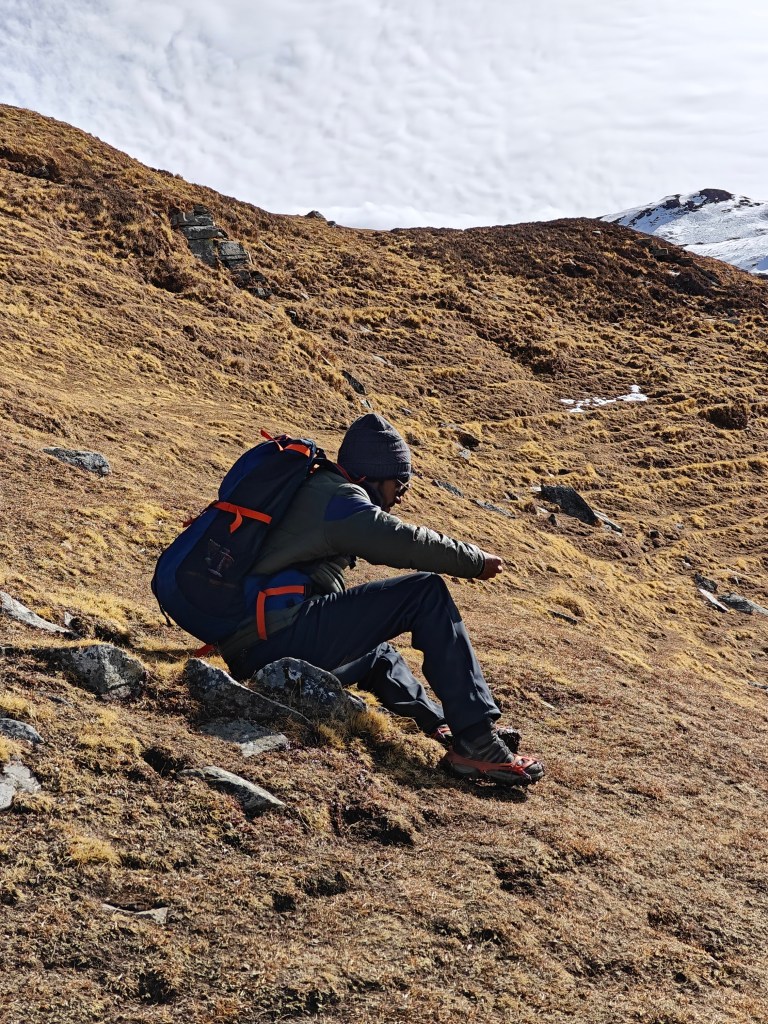
Assuming that being “fit” in general is enough. Trekking involves long uphill climbs, often at altitude, which stresses your legs, lungs, and endurance.
The Fix:
- Start cardio training 4–6 weeks before your trek — running, brisk walking, or cycling.
- Add leg strengthening exercises: squats, lunges, stair climbing.
- Simulate your trek by doing long walks with a backpack.
- If you’re going above 3000m, read about acclimatization and prepare accordingly.
❌ 4. Ignoring Altitude Sickness (AMS)
The Mistake:
Not understanding the risk of Acute Mountain Sickness — and pushing through symptoms like headache, nausea, and fatigue. This is not just uncomfortable — it can be life-threatening.
The Fix:
- Learn to recognize early signs of AMS.
- Never ascend more than 500–600m per day once you cross 3,000m.
- Stay hydrated, don’t skip meals, and avoid alcohol.
- Consider carrying Diamox if trekking above 3,500m — consult a doctor first.
- “Climb high, sleep low” whenever possible.
❌ 5. Relying Too Much on Others
The Mistake:
Thinking your guide or group leader will handle everything — from your hydration to pacing, food choices, and health. Trekking is a personal responsibility.
The Fix:
- Be self-reliant. Know how to manage your pace, hydration, and gear.
- Understand basic first aid and emergency response.
- Learn how to read trail markers, weather patterns, and map apps (e.g., Gaia GPS, AllTrails).
- Stay mentally alert and aware of your body’s signals.
💡 Final Advice for First-Time Trekkers
Trekking is one of the most humbling and empowering experiences you can gift yourself. It teaches you patience, presence, and resilience — but only if you’re prepared.
✅ Research your trek thoroughly
✅ Talk to experienced trekkers or guides
✅ Choose function over fashion
✅ Respect the environment — leave no trace
✅ Go slow, stay aware, and enjoy every step
🏞️ “The mountains aren’t calling for your rush — they’re waiting for your respect.”
Ready to plan your first trek the smart way? Save this post, share it with your trek buddy, and step into the trail aware, prepared, and excited. 🥾✨
#TrekkingTips #BeginnerTreksIndia #HimalayaTrek #MountainLessons #BackpackingIndia #HikingGear #AdventureAwaits #SoloTrekking #TrekPreparation

Leave a comment