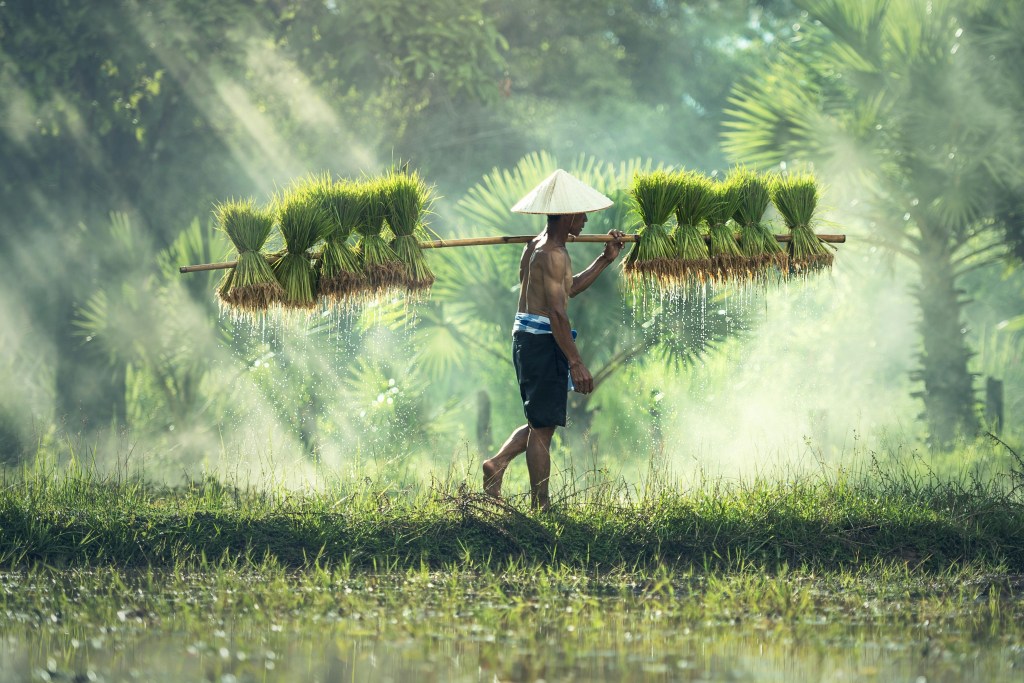
When we think of trekking in the Himalayas, images of towering peaks, alpine forests, and winding trails come to mind. But there’s another story silently woven into the Himalayan terrain — the story of its people, their traditions, and the timeless rhythm of mountain life.
Trekking is not just about the path under your feet. It’s about the lives you cross, the chai shared in wooden homes, and the laughter that echoes through terraced fields. In this blog, we explore how trekking can become a window into the cultural heart of India’s Himalayan belt — and how embracing local life transforms an ordinary hike into a soulful journey.
🧭 Why Culture Matters on a Trek
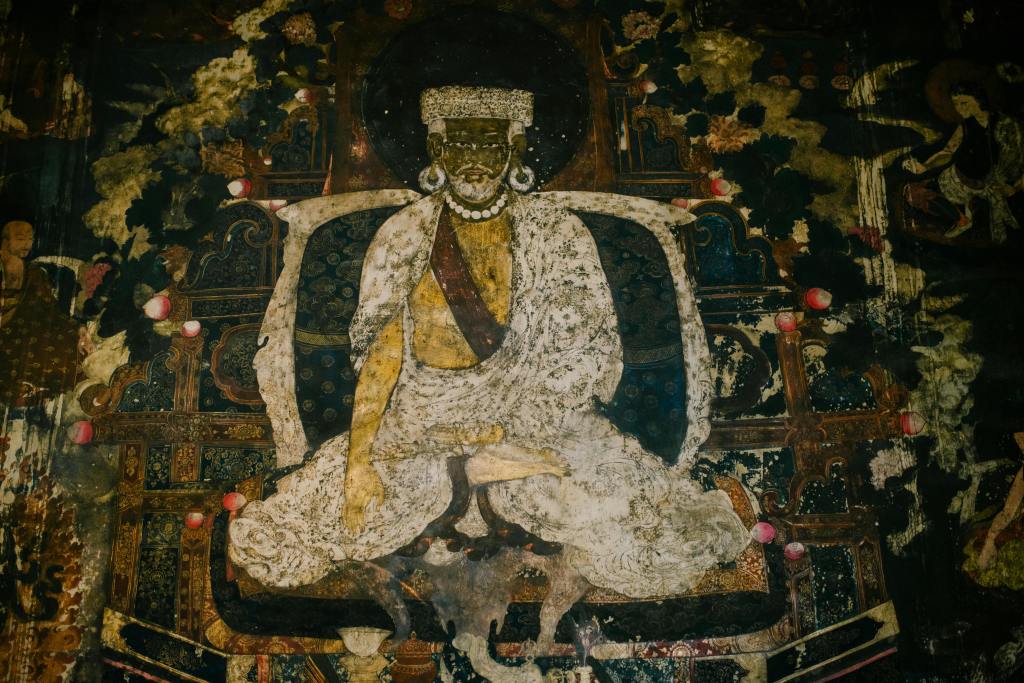
The Himalayan villages are not just pit stops or scenic backdrops. They are living museums — rich in heritage, belief systems, and hospitality. By engaging with them:
- You gain authentic human connection
- You help preserve traditional livelihoods
- You break the bubble of “just being a tourist”
🏡 Real Village Experiences on Popular Trekking Routes
Let’s look at some iconic examples of where culture and trekking intersect beautifully.

1. Osla, Uttarakhand – The Temple Village on Har Ki Dun Trail
Trek through pine forests, cross hanging bridges, and you’ll arrive at Osla, perched at 8,500 ft in the Govind Wildlife Sanctuary. This village is famous for its wooden Someshwar Temple, which locals believe is dedicated to Duryodhana from the Mahabharata.
🧒 Cultural Encounter: Watch villagers carve wood, spin wool, and practice age-old rituals. You’ll likely be offered local tea made from Buransh (rhododendron) or rotis with ghee.
💡 Tip: Spend a night in a homestay. Talk to the elders — they’re walking libraries.
2. Langza, Himachal Pradesh – Where Fossils and Faith Collide
Langza is not just a stop on the Spiti Valley circuit, it’s a living high-altitude hamlet. With the giant Buddha statue overlooking the valley and fossil-rich mountains around, Langza is a surreal blend of spirituality and science.
🎨 Cultural Encounter: Visit a local artisan family. The women create beautiful mud-stone figurines, and monks in nearby monasteries often bless travelers for safe passage.
💡 Tip: Ask about the “Sea of Tethys.” Yes, this desert was once underwater!
3. The Dzongu Region, North Sikkim – Lepcha Heartland
Dzongu is reserved exclusively for the indigenous Lepcha community, and it’s off the mainstream trekking radar — perfect for cultural immersion.
🌿 Cultural Encounter: Help in local cardamom farms, learn how the Lepchas cook over bamboo hearths, and attend a storytelling evening under the stars.
💡 Tip: Try fermented millet beer (Chang) and learn a few words in Lepcha — it earns smiles instantly.
4. Turtuk, Ladakh – A Baltistani Surprise
On the far northern edge of India lies Turtuk — a village that was once part of Pakistan and culturally closer to Central Asia than Leh.
🌏 Cultural Encounter: Interact with the Baltis, visit apricot orchards, and understand their distinct Islamic heritage.
💡 Tip: This region opens only during certain months (May–Oct). Carry photos or small gifts for kids — they’ll return the gesture with songs.
5. Kalap, Uttarakhand – A Hidden Village of Myth and Music
This remote village lies in the Garhwal Himalayas and is reachable after a demanding trek from Netwar. Kalap is known for its folk music, handmade wool products, and self-sufficient life.
🎶 Cultural Encounter: Attend an evening of folk singing, explore how locals dye wool using natural herbs, or participate in planting potatoes and rajma.
💡 Tip: The village is part of a sustainable tourism project. Everything you pay directly supports the local economy.
🥘 What You’ll Learn Beyond the Trail
- Food: From steamed momos to nettle soup, red rice, or ghee-laced rotis — every region has a flavor profile born of altitude and availability.
- Clothing: Learn about wool spinning, hand-knitting, or the significance of robes like Gonchas and Bakhu.
- Architecture: Wooden houses with slate roofs (in Uttarakhand), or flat-roofed mud homes in Ladakh — each suited to climate and culture.
- Festivals: If you’re lucky, your trek might coincide with events like Phyang Tsedup (Ladakh), Losar (Tibetan New Year), or Butter Lamp Festival in Spiti.
- Languages & Beliefs: Whether it’s the silent sign language of Spitian monks or the oral legends in Jaunsari dialect, the diversity is vast — and sacred.
💬 Responsible Cultural Trekking – What You Should Know
- ✅ Ask before taking photos of people or homes
- ✅ Avoid loud music and public displays of affection
- ✅ Don’t offer sweets or money to children — it distorts local value systems
- ✅ Buy local crafts, not imported fridge magnets
- ✅ Leave reviews or social media tags for homestays — they depend on word of mouth
🌍 The Real Trek Is Not Just Elevation, It’s Empathy
Mountains humble us. But their people teach us.
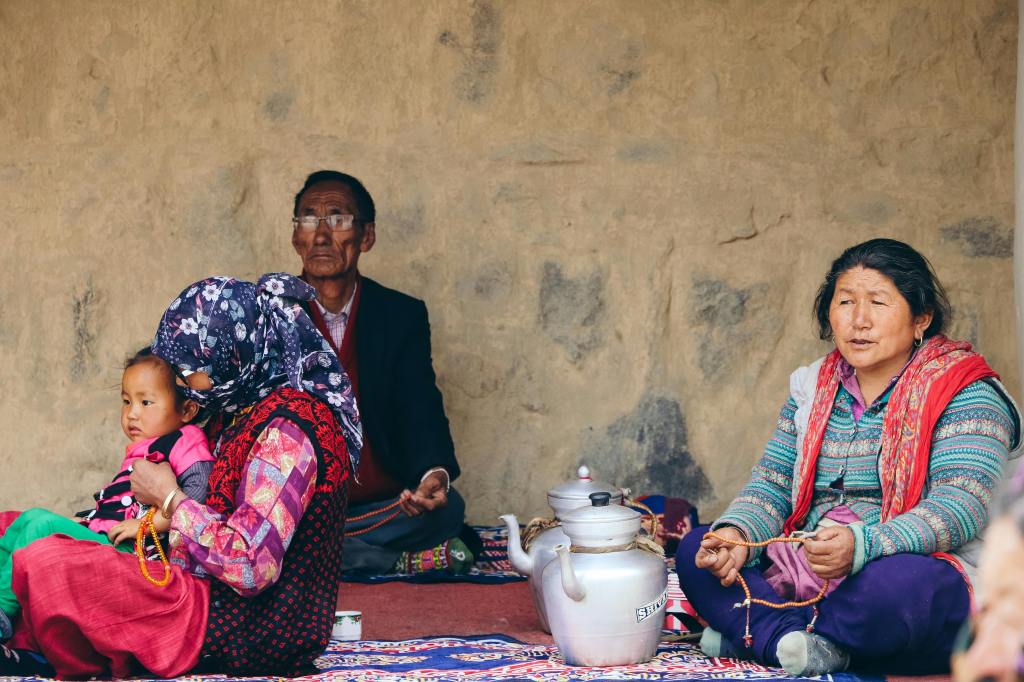
When you sit cross-legged on a woven mat and eat hot dal with your hands while listening to tales of gods and glaciers, you begin to understand — trekking is not just an adventure. It’s a cultural exchange.
And long after your boots are muddy and your backpack is dusty, it’s the human warmth of these villages that lingers the longest.
📸 Hashtags to Use When Sharing:
#CultureTrek #HimalayanHomestay #TrekToConnect #LocalLifeIndia #SustainableTrekking #MountainPeople #IndiaOffbeatTrails #TravelSlowIndia #HimalayanCulture

Leave a comment