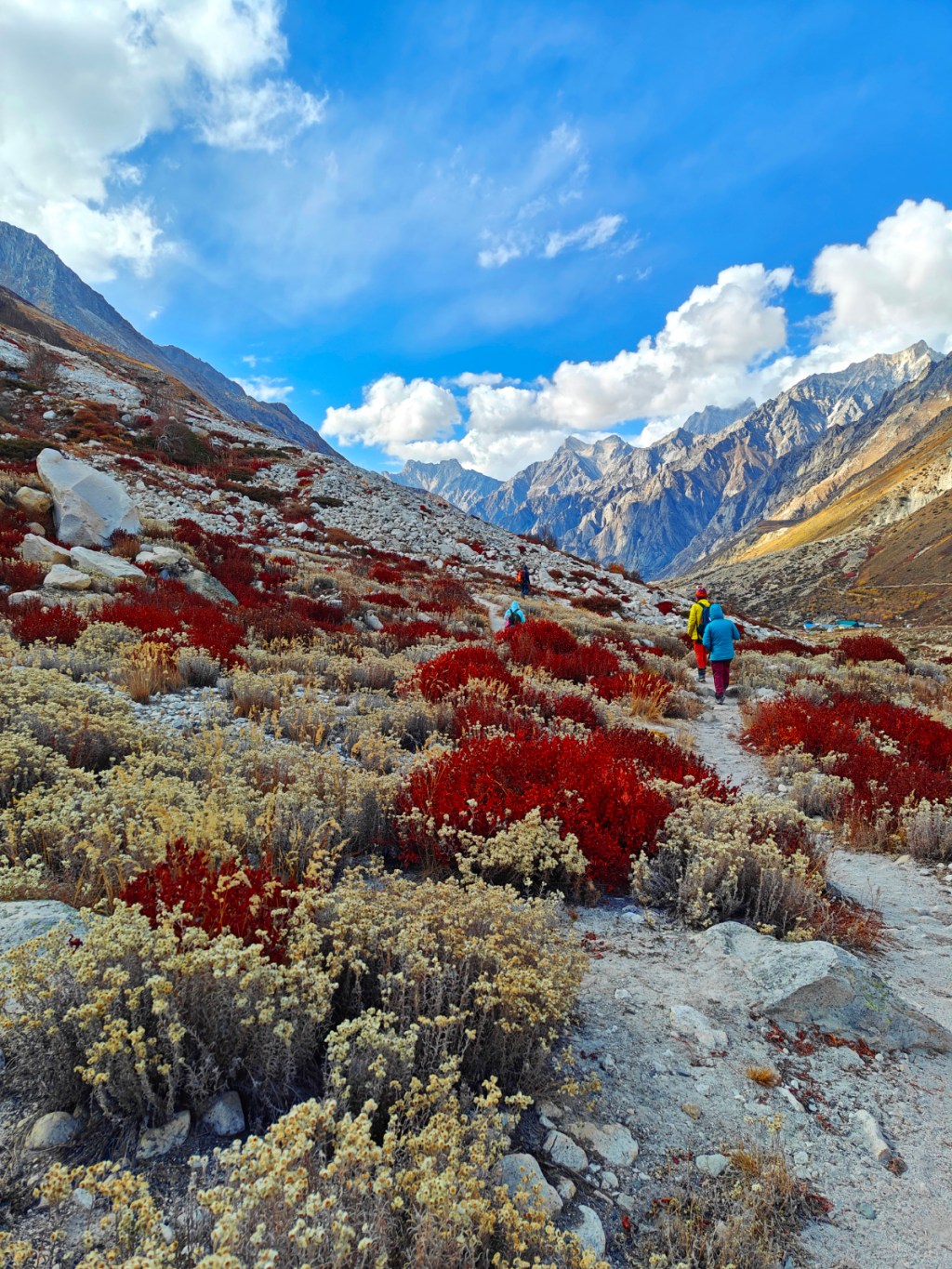
Whether it’s the thrill of summiting a mountain or the peace of walking through pine forests, trekking is magical. But for beginners, the first trek can be as overwhelming as it is exciting. And unfortunately, the smallest planning mistakes can lead to discomfort, danger, or disappointment.
Here are 5 common mistakes beginners make while planning their first trek — and how to avoid them.
🚫 1. Underestimating the Difficulty Level
Mistake: Choosing a high-altitude or long-duration trek without prior experience.
Why It’s Risky: Trekking isn’t just walking; it’s about stamina, mental endurance, and dealing with unpredictable terrain.
Avoid This: Start with beginner-friendly treks like Triund, Nag Tibba, or Kheerganga. Check the altitude, distance, and elevation gain. Respect the mountains — they demand more than just enthusiasm.
🎒 2. Carrying the Wrong Gear (or Too Much of It)
Mistake: Overpacking with non-essentials or underpacking by skipping layers or waterproofs.
Why It’s Risky: Bad gear choices can turn a great trek into a painful ordeal. Heavy bags tire you out, and missing essentials can risk your health.
Avoid This: Follow a proper packing list. Essentials include:
✔️ Good trekking shoes
✔️ Rain cover & jacket
✔️ Power snacks
✔️ Torchlight/headlamp
✔️ Layers for warmth
Pack light, but pack smart.
🗺️ 3. Not Researching the Trail Enough
Mistake: Relying entirely on Instagram or travel reels without real route knowledge.
Why It’s Risky: You might get lost, miss water sources, or walk into bad weather unprepared.
Avoid This: Study the trail maps, weather conditions, nearest emergency help, mobile network zones, and accommodation. Follow trekker forums, blogs, and YouTube vlogs — not just aesthetic photos.
🍽️ 4. Ignoring Food, Water & Acclimatization Needs
Mistake: Assuming dhabas or water sources will always be available, or ignoring altitude-related issues.
Why It’s Risky: Dehydration and AMS (Acute Mountain Sickness) are real threats, even on “easy” treks.
Avoid This:
- Carry hydration salts and refillable bottles
- Learn about acclimatization schedules
- Take rest breaks and fuel up regularly — energy bars, dry fruits, and jaggery help!
📆 5. Planning Too Tightly or Relying Too Much on Travel Agencies
Mistake: Planning a rigid itinerary with no buffer days or blindly booking with overpriced trek companies.
Why It’s Risky: Mountains don’t follow clocks. Delays due to landslides, weather, or health are common.
Avoid This: Keep one buffer day and consider doing DIY treks when safe. Local guides are cheaper and more experienced. Trekking is not a tour — it’s an experience that needs flexibility.
🏕️ Final Thoughts:
Your first trek should be challenging — but not punishing. It should leave you tired, smiling, and hungry for more. Avoid these beginner mistakes, plan with care, and embrace every unexpected moment the trail throws your way. 🏞️
The mountains are calling — but first, plan smart. 🌤️
💬 Have you ever made a trek-planning mistake? What did you learn from it? Share your story in the comments to help others.
#TrekkingTips #BeginnerTrekker #HikingMistakes #TravelSmart #MountainWisdom #IndianHimalayas #TrekkingForBeginners #BackpackerIndia #TrekkerLife


Leave a reply to Frankie Cancel reply