
Why Mountains Heal More Than Just Muscles
In a world increasingly dictated by screens, stress, and schedules, mental wellness often takes a back seat. The need for therapy, mindfulness, and coping strategies has never been greater. While traditional methods work for many, there’s another path less traveled—literally—that offers profound benefits: adventure travel and trekking.
From climbing rugged trails in Himachal to breathing in the misty air of the Western Ghats, nature has a way of mending what’s broken inside us. The mental health benefits of trekking and outdoor adventure are not only powerful but also deeply personal. Let’s explore how hitting the trails can transform your state of mind.
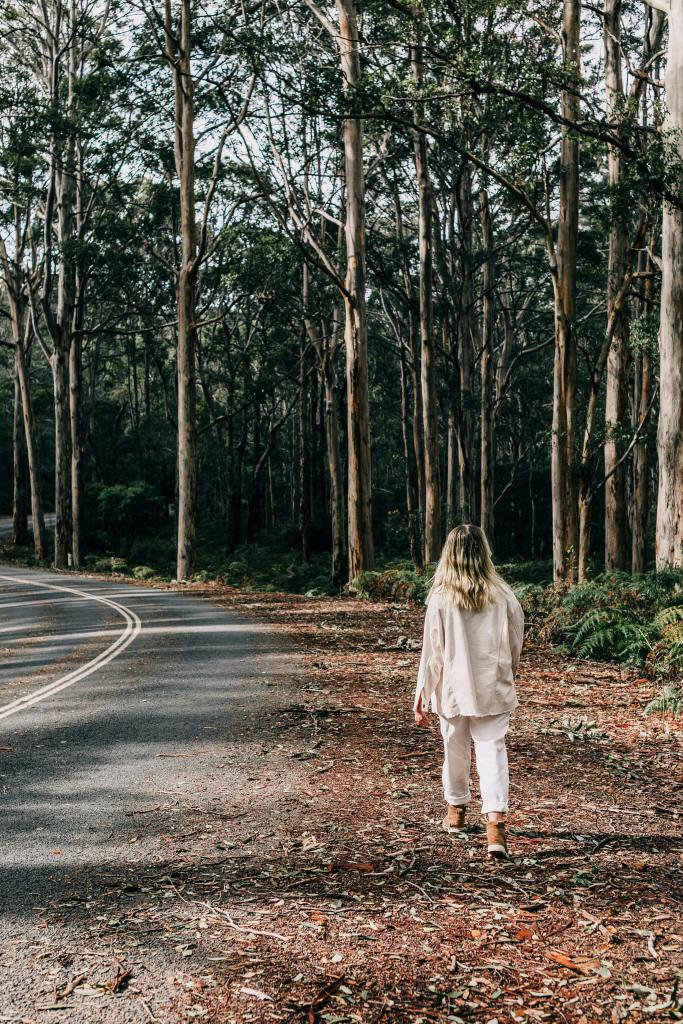
🌿 1. Nature is the Best Therapist
Studies have shown that spending time in green, natural spaces lowers cortisol levels (the stress hormone), reduces blood pressure, and improves overall mood. Trekking amplifies this benefit by placing you deep in pristine forests, beside alpine lakes, or atop snow-covered peaks.
Keyword: mental health benefits of nature
Example: A solo trek to Valley of Flowers in Uttarakhand often leaves trekkers in awe—not just because of its beauty, but because it allows you to disconnect, reflect, and heal.

🥾 2. Physical Activity Fuels Emotional Resilience
When you walk 10 km uphill carrying your own backpack, your body releases endorphins — your natural feel-good chemicals. Regular trekking builds stamina, reduces anxiety, and boosts self-esteem.
Keyword: benefits of trekking for mental health
Fact: The rhythm of walking, especially in sync with breath in high-altitude settings, is similar to a moving meditation — which helps calm a racing mind.
📵 3. Digital Detox and Mindful Presence
On a Himalayan trail, mobile signals vanish. And with them go emails, doom-scrolling, and distractions. You are forced into the present moment — to feel your breath, to hear the crunch of gravel, and to truly see your surroundings.
Keyword: digital detox travel India
Example: During the Sandakphu trek near Darjeeling, I had no network for five days. What I gained instead? Undivided sunsets, real conversations, and a quiet mind.

🤝 4. Social Connection Without Screens
Group treks foster a unique camaraderie — the kind built on shared challenges and triumphs. This social bonding in real-time and real-space boosts oxytocin, the “bonding hormone,” promoting emotional well-being.
Keyword: trekking group bonding experience
Example: On the Kedarkantha winter trek, a stranger shared his tea with me at 10,000 ft — and we ended up becoming lifelong friends.
🧘 5. Improves Sleep and Reduces Burnout
One of the less talked-about but incredibly vital mental health benefits of hiking is better sleep. After hours of physical exertion, clean mountain air, and natural light exposure, your circadian rhythm resets. This leads to deeper, more restful sleep and lower chances of burnout.
Keyword: trekking helps sleep cycle
Bonus Tip: Ditch your devices an hour before bed on treks. Instead, journal or talk with your trek mates around a campfire.
✨ 6. Self-Discovery and Confidence Boost
Nothing teaches you resilience like a steep climb at dawn or setting up a tent in freezing wind. These small victories make you realize: you are more capable than you think.
Keyword: trekking for self-growth
Example: I met a woman on the Bhrigu Lake trek who had just quit her job and was dealing with anxiety. She later told me that completing the trek gave her the courage to change cities and start a new career.

💬 Words from Fellow Trekkers
“I didn’t go on a trek to heal anything. But when I returned, I realized how much lighter my heart felt.”
— Kunal, solo traveler and mental health advocate
“Trekking didn’t fix my depression, but it gave me the strength to manage it better. The mountains reminded me that peace can be real.”
— Nidhi, content creator
🧭 Planning Your Healing Trek: Tips
- Choose beginner-friendly treks like Triund, Nag Tibba, or Rajmachi Fort if you’re new.
- Travel with a small, conscious group or go solo if you’re comfortable.
- Don’t rush the itinerary. Keep time for slow mornings and long pauses.
- Journal your experience each night to reflect on your emotional state.
- Carry comfort snacks, a good book, and a light heart.
🏕️ Final Thoughts: The Trek Within
Trekking is more than a physical adventure — it’s a mental and emotional pilgrimage. In the quiet of the woods and the expanse of the sky, we find clarity. In climbing uphill, we let go of the mental baggage. And when we return, we carry less worry and more wonder.
So the next time the world feels too loud or life feels overwhelming, consider this: maybe what you need isn’t a therapist’s couch or a productivity hack. Maybe all you need is a trailhead and a sunrise.
📌 Embedded Keywords Recap:
- mental health benefits of adventure travel
- mental health benefits of nature
- digital detox travel India
- benefits of trekking for mental health
- trekking for self-growth
- trekking group bonding experience
🧵 Hashtags to Use:
#MentalHealthMatters #TrekkingTherapy #AdventureHealing #DigitalDetoxIndia #NatureForWellbeing #HimalayanHealing #MindfulTravel #MentalHealthIndia


Leave a reply to Sophie Poe Cancel reply